
Welcome to Snapseed QR Codes. If you are planning to buy a Royal Enfield Bullet but want to stay within a reasonable budget, choosing a used bike can be a practical option. This Second Hand Bullet Bikes Complete Guide covers everything you need to know before purchasing a pre-owned Bullet.
From checking current market prices and inspecting the bike’s condition to negotiating the price and verifying important documents, this guide explains the key factors to consider. By following these useful tips, you can make a well-informed purchase and enjoy the classic Bullet riding experience without paying the full price of a brand-new motorcycle.
Understanding Second-Hand Bullet Bikes
The technology behind motorcycles has evolved over the years, but many riders still appreciate bikes that offer a classic experience at a more affordable price. Among these, the Second Hand Bullet Bikes: Complete Guide, Prices, and Buying Tips focuses on the legendary Royal Enfield Bullet, a motorcycle known for its long history and dedicated community of riders.
The Royal Enfield Bullet has been available in different forms since the early 20th century. Its distinctive design, recognizable engine sound, and sturdy character have helped it become a cultural icon in many parts of the world. For many enthusiasts, purchasing a second-hand Bullet is about more than simply finding affordable transportation it can also provide a connection to traditional design, craftsmanship, and the enjoyment of riding.
Read Also: Duke 150 price
Why Consider Buying Second-Hand Bullet Bikes
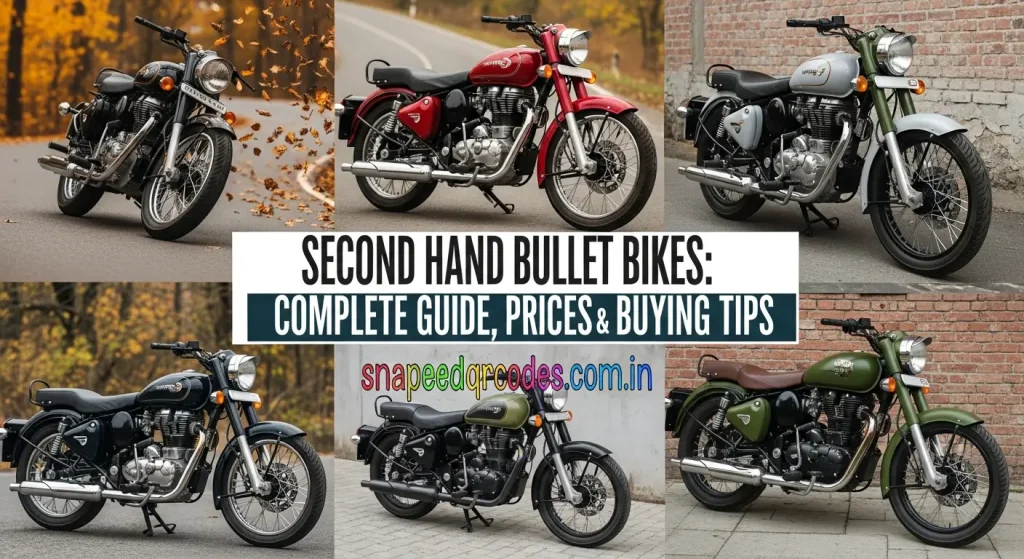
Cost Savings
One of the main reasons riders consider Second Hand Bullet Bikes: Complete Guide, Prices, and Buying Tips is the potential to save a significant amount of money. New motorcycles generally lose value during their first few years, and the Royal Enfield Bullet is no exception. Buying a pre-owned Bullet allows you to avoid much of the initial depreciation that occurs after a motorcycle is purchased new.
A second-hand Bullet can cost considerably less than its original showroom price, making it a more affordable option for riders with limited or moderate budgets. For many motorcycle enthusiasts, this creates an opportunity to own a classic Royal Enfield without the higher expense of buying a new model.
Classic Appeal
The Royal Enfield Bullet has a timeless charm that continues to attract motorcycle enthusiasts. Its classic styling, traditional design, and distinctive engine sound appeal to riders who value character and road presence over modern, minimalist looks. For many enthusiasts, the unique personality of a Bullet makes it more appealing than contemporary sport bikes and everyday commuter motorcycles.
Choosing a second-hand Bullet can also introduce you to a passionate community of fellow riders. Enthusiasts often exchange maintenance advice, restoration and customization ideas, riding experiences, and favorite routes. This sense of community adds another dimension to owning a Bullet while helping preserve and celebrate its long-standing motorcycle heritage.
Robust Build Quality
Royal Enfield Bullets are often appreciated for their straightforward mechanical design, which can make routine maintenance and repairs relatively accessible. Spare parts are widely available in many markets, and numerous mechanics have experience working on these motorcycles. This practical design also appeals to riders who enjoy performing basic maintenance, repairs, or customization themselves.
The longevity of many older Bullets is another reason they remain popular in the used motorcycle market. Some well-maintained examples have stayed on the road for many years, showing that proper care can contribute to long-term durability. However, the condition of a used bike depends heavily on how its previous owners maintained it, so a thorough inspection is essential before making a purchase..
Understanding Market Prices for Second-Hand Bullet Bikes
Price Range Overview
In the used motorcycle market, Second Hand Bullet Bikes: Complete Guide, Prices, and Buying Tips explains that prices can vary considerably depending on several factors. The model year, engine capacity, overall condition, mileage, and demand in the local market can all influence the final selling price.
For example, a used Royal Enfield Bullet 350 may be available at a relatively affordable price because it is a common model with straightforward specifications. On the other hand, rare variants or older Bullets that have been carefully preserved and maintained may attract higher prices, particularly among collectors and enthusiasts.
Several important factors can affect the value of a second-hand Bullet, including:
- Engine capacity: Different versions, such as 350cc and 500cc models, may have different market values.
- Mechanical condition: A well-maintained engine, transmission, brakes, suspension, and electrical system can increase the bike’s value.
- Accident history: Previous accidents or major repairs may affect both the condition and resale value.
- Modifications and accessories: Genuine or quality upgrades may add value, while poorly installed modifications can create additional concerns.
- Service and ownership records: Complete maintenance records and clear ownership documentation can make a used Bullet more attractive to potential buyers.
Depreciation Trends
Like most vehicles, second-hand Bullet bikes generally lose value as they become older. However, some Royal Enfield Bullet models may retain their value better over time, particularly well-maintained older motorcycles that attract the interest of collectors and enthusiasts. Understanding how age and condition affect depreciation can help you determine whether a used Bullet is reasonably priced.
Mileage is another important factor, but it should not be considered on its own. A motorcycle with higher mileage and a consistent service history may be a more reliable purchase than a low-mileage bike with limited or unclear maintenance records. Checking the bike’s overall condition, service history, and previous ownership can provide a better indication of its actual value.
Price Factors You Must Know
The price of a used Bullet depends on several important factors that buyers should understand before making an offer. Considering the bike’s age, mileage, condition, maintenance history, modifications, and documentation can help you determine whether the asking price is reasonable.
The price of a used Royal Enfield Bullet depends on several key factors:
- Age & Mileage: Older or high-mileage bikes may cost less, but maintenance history also matters.
- Overall Condition: Check the engine, brakes, transmission, frame, tires, and electrical systems.
- Modifications: Quality upgrades may add value, while poor modifications can reduce it.
- Documentation: Complete registration, ownership, and service records make the purchase safer and easier.
Inspecting a Second-Hand Bullet Bike Before Buying
Before buying a used motorcycle, a thorough inspection is one of the most important steps. Second Hand Bullet Bikes: Complete Guide, Prices, and Buying Tips provides a simple and practical checklist to help you examine the bike carefully and make a more informed decision.
Visual Inspection
Begin with a careful visual inspection of the motorcycle. Check for rust, dents, uneven paint, or mismatched parts, as these may indicate previous damage or poor maintenance.
Examine the frame for bends, cracks, or visible weld marks that could suggest accident repairs. Also, check the tires for uneven wear and inspect the chain and sprockets for excessive wear, proper lubrication, and overall condition.
Engine and Transmission Check
The engine is one of the most important parts of a motorcycle, so check that it starts easily and does not produce excessive smoke. Unusual smoke may indicate oil burning or other engine problems.
While the bike is idling, listen for strange noises, excessive vibrations, or an unstable idle. During a test ride, shift through all gears to check the transmission. Hard shifting, unusual noises, or slipping gears may indicate mechanical issues that require professional inspection.
Suspensions and Brakes
The suspension system should compress smoothly without unusual noises, stiffness, or resistance. Check the forks and rear shocks for signs of wear or leakage, as damaged suspension can affect both comfort and handling.
The brakes should work quickly and smoothly without grinding or a spongy feel. Inspect the brake pads and discs for excessive wear and make sure they appear to have even contact.
Electrical System
Test all lights, indicators, horn, and instrument controls to make sure they work properly. Pay attention to damaged wiring, loose connections, or flickering lights, as electrical problems can lead to additional repair costs.
Documentation Review
Make sure the bike’s registration documents are genuine and match the engine and frame numbers. Check that all ownership details are correct, as incomplete or mismatched paperwork can cause legal and ownership problems later.
Test Ride
A test ride helps you understand the motorcycle’s real-world performance and comfort. Check its acceleration, handling, stability, brakes, clutch, and overall ride quality at different speeds. Also listen for any unusual noises or excessive vibrations that may appear while riding.
A proper test ride can reveal issues that may not be noticeable during a stationary inspection, helping you judge the bike’s condition before buying.
Common Issues in Second-Hand Bullet Bikes
Knowing the common problems of a used Bullet can help you avoid unexpected repairs after purchase. Royal Enfield Bullet motorcycles may develop certain issues over time, so experienced riders and mechanics often check these areas carefully during an inspection.
Engine Wear
Older Bullet motorcycles may develop engine wear due to high mileage or inadequate maintenance. Common warning signs include excessive oil consumption, difficult cold starts, or unusual ticking noises from the engine. These symptoms should be checked carefully before purchasing.
Carburetor Issues
Many older Bullet motorcycles use carburetors instead of fuel-injection systems. Over time, carburetors can become clogged or need adjustment, especially when a bike has been unused for an extended period. Checking the carburetor and fuel system can help identify potential starting or performance issues.
Electrical Problems
Older Bullet motorcycles can sometimes develop electrical problems, such as faulty lights, starter issues, or malfunctioning switches. These problems are often linked to aged wiring, worn components, or improper previous repairs, so the electrical system should be checked before buying.
Suspension Wear
The suspension components of older Bullet motorcycles can wear out over time. Worn shocks or forks may result in a rough ride, reduced comfort, and less stable handling, so they should be inspected carefully before purchase.
Brake Wear
Brake pads and discs naturally wear over time with regular use. Check for excessive pad wear, damaged surfaces, or warped discs, as these issues can affect braking performance and should be repaired before riding.
Negotiating the Best Price for a Used Bullet
Negotiating a fair price requires preparation, market knowledge, and patience. Research similar bikes, consider the motorcycle’s condition and repair needs, and use these factors when discussing the price. Following the Second Hand Bullet Bikes: Complete Guide, Prices, and Buying Tips can help you make a reasonable offer and avoid paying more than the bike is worth.
Know the Market
Before negotiating, research the prices of similar used Bullet bikes in your local market. Compare factors such as age, mileage, condition, service history, and modifications to understand the bike’s realistic value. This information will help you make a reasonable offer based on current market conditions.
Highlight Issues You Found
If your inspection reveals minor issues or needed repairs, use them as part of your price negotiation. You can point out the expected repair costs and ask the seller to adjust the price accordingly. This can help you reach a fair deal for both sides.
Be Respectful and Firm
A polite but firm approach is often more effective than aggressive bargaining. Clearly explain your offer and support it with facts such as the bike’s condition, mileage, market price, and any repairs it may need.
Walk Away If Necessary
If the seller is unwilling to accept a reasonable price, don’t be afraid to walk away. The used motorcycle market offers many options, and taking your time can help you find a Bullet that better matches your budget and requirements.
How to Transfer Ownership and Complete Registration
Buying a used Bullet bike involves certain legal requirements that may vary by region. Generally, the buyer and seller need to complete the official ownership transfer process and update the registration details to ensure the motorcycle is legally transferred and avoid potential issues in the future.
Verify Original Documents
Ask the seller for the original registration documents and make sure the engine and chassis numbers match the paperwork. Also, confirm that the motorcycle has no outstanding loans, fines, or legal claims before completing the purchase.
Insurance Transfer
Transfer the existing insurance policy to your name or purchase a new one before riding the bike. Make sure the coverage is valid, as riding without proper insurance can result in fines or other legal problems.
Local Transport Authority Procedures
Transfer the existing insurance policy to your name or purchase a new one before riding the bike. Make sure the coverage is valid, as riding without proper insurance can result in fines or other legal problems.
Visit your local transport authority or motor vehicle department to complete the ownership transfer. Bring the required documents, such as identification, sale receipt, registration papers, and insurance documents.
Tax and Fee Payments
Be prepared to pay any transfer fees, taxes, or administrative charges required by local regulations. Keep all payment receipts and transaction records safely for future reference.
Maintenance Tips After Buying a Used Bullet
Once you purchase a second-hand Bullet, regular maintenance is essential for keeping it reliable, safe, and enjoyable to ride. This section of Second Hand Bullet Bikes: Complete Guide, Prices, and Buying Tips covers the key maintenance practices every owner should follow.
Initial Service After Purchase
Even if the previous owner recently serviced the bike, it is wise to have your second-hand Bullet inspected by a trusted mechanic. Change the engine oil, check essential fluids, inspect the brakes, and replace any worn parts if needed. A thorough initial service can help ensure a reliable and smoother ownership experience.
Routine Maintenance Schedule
CreateCreate a regular maintenance routine that includes:
- Oil and filter changes at recommended intervals
- Tire pressure checks before rides
- Regular brake pad inspections
- Chain lubrication and tension checks
Consistent maintenance can prevent minor issues from becoming expensive repairs and help keep your Bullet running smoothly.
Storage and Cleaning
Keep your Bullet clean and store it in a dry, protected place to reduce the risk of rust and corrosion. If outdoor storage is necessary, use a suitable bike cover. Cleaning the motorcycle after dusty or wet rides also helps protect its paint and metal components.
Riding Habits
Smooth acceleration, gradual braking, and avoiding excessive speeds can help reduce unnecessary stress on the motorcycle’s mechanical components. Responsible riding also improves safety and helps protect your investment.
Along with good riding habits, regular maintenance is essential for keeping a used Bullet reliable, efficient, and enjoyable for years to come.
Customization and Upgrades
Many Bullet owners enjoy customizing their motorcycles to suit their personal style and riding needs. Carefully selected upgrades can improve comfort, performance, or appearance. However, avoid excessive or poorly installed modifications that may affect safety, reliability, or future maintenance.
Common Upgrades
SomPopular upgrades for a Royal Enfield Bullet include:
- Improved suspension: Provides better comfort on uneven roads.
- Upgraded seat or backrest: Adds comfort during longer rides.
- Retro lights or instrument cluster: Enhances the bike’s classic appearance.
Always use quality parts and professional installation to maintain safety, reliability, and durability.
Pros and Cons of Buying Second-Hand Bullet Bikes
Understanding the advantages and potential drawbacks of a second-hand Bullet can help you make a more informed decision. Here are the key pros and cons summarized from this guide.
Pros
- Lower purchase cost: More affordable than buying a new model.
- Classic appeal: Timeless styling and a strong emotional connection for many riders.
- Affordable maintenance: Simple mechanical design can make servicing and repairs easier.
- Strong community support: Access to experienced riders, mechanics, and widely available spare parts.
Cons
- Unknown maintenance history: Previous servicing and repairs may not always be fully documented.
- Hidden mechanical issues: Problems with the engine, transmission, suspension, or other components may not be immediately visible.
- Aging electrical components: Older wiring, switches, and electrical parts may need repair or replacement.
- Higher prices for classic models: Well-maintained or collectible Bullets may be priced higher due to their condition and demand.
Consider these factors based on your budget, priorities, and riding needs. A careful purchase should balance the bike’s price, overall condition, and potential future maintenance costs to ensure a satisfying ownership experience.
Detailed Table: Condition Checklist Before Buying
| Even wear, no cracks or dry rot. | What to Look For | Pass/Fail |
| Frame | No bends, cracks, or weld marks | |
| Engine Start | Smooth start, no excessive smoke | |
| Gearbox | Shifts smoothly through all gears | |
| Suspension | No leaks, smooth compression | |
| Brakes | Strong, even braking performance | |
| Electrical | All lights and signals are working | |
| Tires | Even wear, no cracks or dry rot | |
| Documentation | Matches engine/chassis numbers |
This checklist visually organizes the main steps you should take during inspection. Print or save it to use when you evaluate a bike in person.
Common Mistakes to Avoid When Buying a Used Bullet
Knowing which common mistakes to avoid can help you buy a used Bullet with greater confidence. The following are some frequent pitfalls that may lead to unexpected expenses, mechanical problems, or buyer’s remorse.
Ignoring Test Rides
Skipping the test ride is one of the most common mistakes when buying a used Bullet. Without riding the motorcycle, you may miss important signs of mechanical problems, poor handling, unusual noises, or performance issues.
Overlooking Documentation
Incomplete or incorrect paperwork can create legal and ownership problems later. Before making any payment, verify that all required documents are authentic, complete, and properly updated.
Falling for Cosmetic Fixes
Fresh paint or replaced body parts can sometimes hide previous damage or mechanical issues. Don’t judge a used Bullet by its appearance alone; inspect the frame, engine, and other key components to understand its actual condition.
Paying Without Comparison
Don’t accept the first asking price without comparing similar bikes. Research current market prices to make sure you’re getting a fair deal and have room to negotiate.
Real Rider Tips and Experiences
Experienced riders can provide valuable insights gained from years of riding and evaluating used bikes. Their knowledge can help you identify common mechanical issues, understand what to look for during an inspection, and recognize signs of poor maintenance that may not be obvious to a first-time buyer. Talking to experienced riders can also give you practical advice on the bike’s reliability, servicing needs, and overall ownership experience.
Some of these include:
- Speak with previous owners to understand how the bike was used.
- Carry a mechanic’s contact during inspection visits for professional insight.
- Ride the bike under varied conditions if possible, including highway and city routes.
- Ask questions about service intervals and any major repairs done.
These insights help you go beyond surface evaluation into a deeper understanding.
Frequently Asked Questions
What is the average price of a second-hand Bullet bike?
The price of a used Royal Enfield Bullet varies depending on the model, year, condition, and mileage. Typically, a Bullet 350 ranges from PKR 340,000 to PKR 700,000, while Bullet 500 models can cost around PKR 495,000 or more. Market demand and regional availability also affect prices.
How can I check the condition of a used Bullet bike?
Inspect the engine, gearbox, brakes, suspension, tires, and electrical systems. Look for rust, dents, and unusual noises during a test ride. Verify all documentation and consider having a mechanic evaluate the bike before purchase.
What are the most common issues with used Bullet bikes?
Typical problems include engine wear, carburetor clogs, suspension wear, brake issues, and electrical malfunctions. Many of these can be fixed with regular maintenance, but they should be considered before buying.
Is it safe to buy a Bullet bike without a test ride?
No. A test ride is crucial to assess engine performance, gear shifting, braking, and handling. It helps identify hidden mechanical issues that might not be visible during visual inspection.
How do I transfer ownership of a used Bullet bike?
Ensure the registration documents match the engine and chassis numbers. Complete the ownership transfer with local transport authorities, transfer insurance to your name, and pay any required taxes or fees.
Should I buy a modified Bullet bike?
Modifications can improve performance or aesthetics but may affect reliability and resale value. Check if the modifications are professionally done and do not compromise safety before purchasing.
How often should I service a used Bullet bike?
Routine maintenance is recommended every few thousand kilometers, including oil and filter changes, chain lubrication, brake inspections, and checking tires and fluids. Regular servicing extends the bike’s lifespan.
Can a high-mileage Bullet bike still be a good purchase?
Yes, if it has been well-maintained with regular servicing. Mileage alone is not the only indicator of condition; thorough inspection, service history, and overall care are more important in determining value.
Conclusion
Buying a second-hand Bullet bike can be a smart way to enjoy its classic design, powerful performance, and distinctive riding experience without spending as much as you would on a new model. This Second Hand Bullet Bikes Complete Guide, Prices, and Buying Tips highlights the importance of comparing market prices, inspecting mechanical and electrical components, checking documentation, reviewing maintenance history, and negotiating carefully.
By understanding common problems and planning for regular maintenance, you can reduce the chances of unexpected repair costs. A careful inspection and informed decision can make buying a used Bullet a rewarding experience, allowing both new and experienced riders to enjoy its iconic character with greater confidence.