
Welcome to Snapseedqrcodes Photography is not just about pointing a camera and clicking. A photo becomes memorable when it captures confidence, personality, and style. One of the most overlooked but crucial elements of photography is the photo shoot pose. The way a person positions their body, angle, and expression can transform an ordinary picture into a striking visual story. Whether you are a beginner, aspiring model, professional photographer, or social media enthusiast, understanding how to pose can dramatically improve your results.
A photo shoot pose is more than just standing in front of the camera. It’s about communicating mood, emotion, and personality through posture, gestures, and alignment. In this comprehensive guide, we will explore all aspects of posing, from basic techniques to creative variations, and provide actionable tips that anyone can use to look photogenic and confident in photos.
“Posing is the silent language of photography; it speaks louder than words ever could.”
Understanding the Importance of a Photo Shoot Pose
The impact of a photo shoot pose cannot be underestimated. Even with the best lighting, makeup, or backdrop, a poorly executed pose can make a photograph look awkward or unprofessional. Here’s why poses are critical:
- Enhancing Body Shape and Proportions
Poses can emphasize your best features while minimizing areas you are less confident about. Angling your body, shifting your weight, or adjusting your posture can make you look taller, slimmer, and more balanced in photos. - Communicating Mood and Personality
A well-chosen pose tells a story. A confident stance can convey strength, a relaxed posture can convey calmness, and a playful pose can evoke joy or spontaneity. - Improving Photographic Composition
Poses interact with lighting, angles, and backgrounds. A thoughtful pose aligns your body with the light source, leading lines, or background elements, creating a more professional and aesthetically pleasing composition. - Boosting Confidence and Comfort
Knowing how to pose effectively reduces self-consciousness. Confidence translates into natural expressions, helping you appear authentic and approachable on camera.
“A great pose can turn nervous energy into confidence, creating photos that resonate.”
Basic Principles of a Photo Shoot Pose
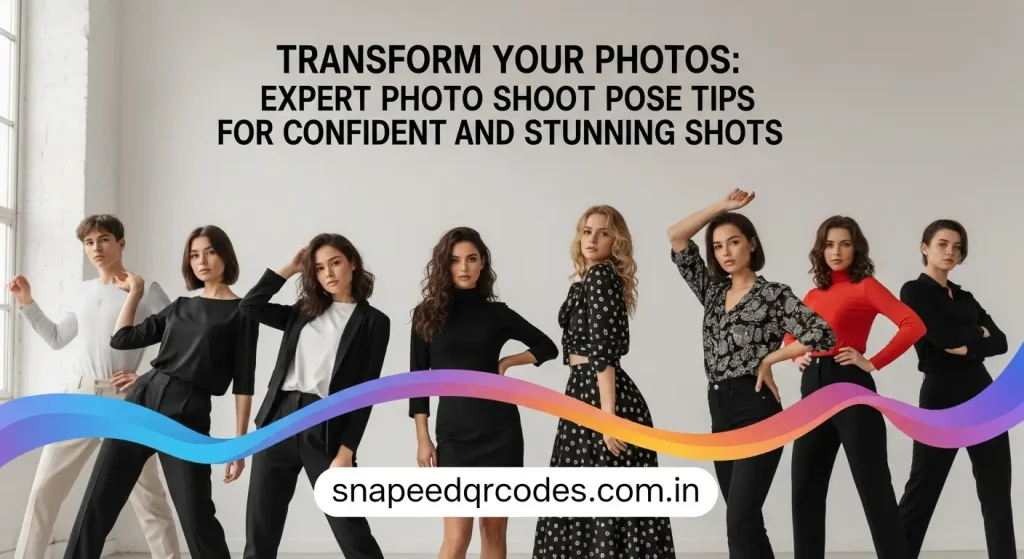
Before diving into advanced techniques, it’s essential to understand the foundational principles that apply to all poses. These rules help create natural, flattering, and professional-looking photographs.
Body Alignment and Posture
Proper posture is the cornerstone of a successful photo shoot pose. Standing or sitting with a straight spine, shoulders relaxed, and head aligned prevents stiffness and ensures elegance. Avoid slouching, hunching, or locking joints, as these can create tension and awkward lines in photos.
- Keep your weight distributed naturally, usually on one leg when standing.
- Slightly tilt your shoulders or hips for a dynamic and balanced composition.
- Maintain a relaxed jawline and neck to avoid looking tense.
The Role of Angles
Angles can dramatically alter how your body and face appear on camera. Understanding angles allows you to highlight your strengths and reduce unwanted emphasis on less flattering features.
- Turn your body slightly away from the camera instead of facing it directly.
- Raise your chin slightly for a confident look and to prevent shadows under the jawline.
- Tilt your head subtly to add depth and soften facial features.
“Angles are the secret ingredient that transforms ordinary photos into professional portraits.”
Classic Standing Poses for Every Photo Shoot
Standing poses form the backbone of most photo shoots. They are versatile, flattering, and easy to adapt to various settings.
Straightforward and Elegant Stances
The simplest poses often yield the most elegant results. Standing tall with a slight turn of the body, relaxed shoulders, and a soft gaze can make your photo timeless.
- Keep one leg slightly forward to create natural curves.
- Position arms loosely by your sides or gently on your hips.
- Relax your hands to avoid stiffness.
Weight Shift Poses
Shifting weight from one leg to another creates a sense of movement and ease. It prevents the pose from looking static or rigid.
- Place your weight on your back leg while slightly bending the front knee.
- Lean lightly on one hip for an asymmetrical and flattering silhouette.
Arm and Hand Placement
Hands are often a challenge in photos. Misplaced hands can create awkwardness, while thoughtful positioning adds style and personality.
- Place hands in pockets, lightly touch your hair, or cross arms casually.
- Avoid pressing arms flat against the body; this can make them appear wider.
- Experiment with props like bags, hats, or jackets to give hands a purpose.
“How you place your hands can make or break a pose; every gesture matters.”
Seated and Leaning Poses
Seated poses are an excellent way to diversify your photo shoot and add a relaxed, approachable vibe.
Seated Postures
Sitting poses work for portraits, lifestyle shoots, and even professional headshots.
- Sit slightly sideways rather than facing the camera directly.
- Cross ankles or knees for a natural line.
- Lean forward slightly to engage with the camera, drawing attention to your face.
Leaning on Props
Leaning adds dimension and can help you appear more relaxed.
- Lean against walls, railings, or furniture while keeping your posture relaxed.
- Angle your body slightly to avoid looking stiff.
- Hands can rest lightly on the prop to enhance compositional balance.
“A subtle lean can transform a standard portrait into an engaging and dynamic image.”
Walking and Action Poses
Poses that involve movement bring energy and life into photos. These are especially effective in outdoor shoots or fashion photography.
Walking Toward the Camera
A slow walk toward the camera creates candid, natural shots.
- Keep your gaze either toward the camera or slightly off to the side.
- Swing your arms naturally without exaggeration.
- Ensure your steps are deliberate and balanced to avoid awkward mid-stride shots.
Dynamic Motion Poses
Other movement-based poses can include twirling, jumping, or playful gestures.
- A gentle twirl in a flowing dress creates dramatic motion.
- Light jumps can convey fun and spontaneity.
- Small hand gestures or hair flips enhance the action without overwhelming the frame.
“Movement adds authenticity; posed photos often feel static, but motion tells a story.”
Creative Poses for Personality and Style
Beyond the basics, creative poses allow you to express individuality, mood, and style.
Over-the-Shoulder and Back Glance Poses
These poses are timeless, elegant, and flattering for all body types.
- Turn your back partially to the camera while looking over your shoulder.
- Keep your chin slightly raised for confidence.
- Your hands can rest naturally on your hip, hair, or shoulder.
Playful and Candid Expressions
Candid poses feel spontaneous and capture real emotions.
- Laugh, twirl, or interact with your environment naturally.
- Incorporate props like flowers, coffee cups, or sunglasses.
- Avoid forcing expressions; natural reactions photograph best.
Using Props and Environment
Incorporating props enhances storytelling and depth.
- Leaning on a bicycle, holding a book, or interacting with a pet adds context.
- Align your pose with background elements for balance and harmony.
- Props can help relax hands and create purposeful gestures.
“A prop or environment can turn a simple pose into a captivating narrative.”
Couple and Group Poses
Posing multiple people requires balance, coordination, and attention to interaction.
Couple Poses
Couple photography focuses on connection and emotion.
- Walking hand-in-hand conveys intimacy.
- Close body angles and gentle touches add warmth.
- Eye contact or looking toward each other enhances the emotional impact.
Group Poses
Group photos work best with staggered heights, varied angles, and natural interaction.
- Arrange people in triangles or layers to create depth.
- Encourage relaxed postures and casual interaction.
- Avoid rigid lines; slightly asymmetrical arrangements feel more natural.
“Connection between subjects creates energy and emotion that no solo pose can achieve.”
Facial Expressions and Eye Contact
A photo shoot pose is incomplete without attention to facial expression. Your face communicates mood, personality, and emotion.
- Smile naturally or gently for approachable photos.
- Relax your eyebrows and jawline to prevent tension.
- Direct eye contact conveys confidence, while looking away adds intrigue or candidness.
Subtle Facial Adjustments
- Tilt your head slightly to change the angle of your jaw.
- Experiment with soft smiles, smirks, or thoughtful looks.
- Practice in front of a mirror to find your most flattering angles.
Lighting and Pose Interaction
Poses are only as effective as the lighting that illuminates them. Understanding how light interacts with your body helps maximize impact.
- Face the light source for even illumination.
- Side lighting adds depth and shadow for dimension.
- Avoid harsh overhead lighting that casts unflattering shadows.
“Lighting transforms a pose from flat to dynamic; always consider your light source before posing.”
Advanced Tips for Professional Photo Shoot Pose
For those seeking to elevate their photography to the next level, advanced techniques refine subtle aspects of posing.
Using Lines and Geometry
Your body can create leading lines and shapes that guide the viewer’s eye.
- Crossed legs, bent arms, or tilted shoulders create natural diagonals.
- Angled poses break monotony and add visual interest.
Mirror Practice
Practicing poses in a mirror builds confidence and familiarity with your angles.
- Observe how your body looks from different sides.
- Note natural gestures and avoid forced positions.
- Experiment with facial expressions and hand placements.
Combining Poses
Mixing multiple pose types in a session adds variety.
- Start with standing poses, transition to seated, then add dynamic movement.
- Use props and angles strategically for a diverse portfolio.
- Review photos periodically to adjust positioning in real time.
“Professional posing is a combination of technique, awareness, and creativity.”
Common Mistakes to Avoid in Photo Shoot Poses
Even experienced models and photographers sometimes make basic errors. Awareness of these mistakes helps prevent awkward photos.
- Avoid stiffness; relaxed muscles photograph best.
- Do not over-tilt your head or exaggerate gestures.
- Avoid clashing with the environment; poses should harmonize with the setting.
- Keep hands and feet purposeful, avoiding dangling or awkward positions.
Table: Quick Pose Reference Guide
| Pose Type | Key Elements | Best For |
| Standing Classic | Slight angle, relaxed arms | Portraits, professional shoots |
| Weight Shift | One leg forward, hip tilt | Fashion, casual lifestyle |
| Seated | Cross ankles, lean slightly | Indoor portraits, relaxed vibe |
| Walking/Action | Natural stride, arm movement | Outdoor, dynamic storytelling |
| Over-the-Shoulder | Partial back, look over the shoulder | Elegant, creative photography |
| Couple Interaction | Touch, eye contact | Emotional connection |
| Group Arrangement | Layered heights, casual spacing | Family or team photography |
Frequently Asked Questions (FAQs) About Photo Shoot Pose
What is a photo shoot pose, and why is it important?
A photo shoot pose refers to the way you position your body, face, and hands during a photoshoot. It’s important because it enhances your appearance, communicates mood, and creates visually appealing images. A good pose can make even simple photos look professional and engaging.
How can I look natural in photos?
Relax your body, avoid stiff movements, and practice gentle facial expressions. Adding subtle movement, like walking or turning slightly, helps photos appear candid and effortless.
What are the best poses for standing shots?
Stand at a slight angle to the camera, shift weight to one leg, keep shoulders relaxed, and place hands naturally—either on hips, in pockets, or lightly by your sides.
How do I pose while sitting?
Sit slightly sideways, cross ankles or knees, and lean forward gently. Hands can rest on your lap or nearby props to create a natural, relaxed posture.
Can props improve my poses?
Yes, props add context, help hands appear purposeful, and enhance the overall story of the photo. Examples include books, hats, sunglasses, flowers, or even furniture.
How can I practice poses at home?
Use a mirror to experiment with angles, body positions, and facial expressions. Record yourself or take test shots to see which poses look most flattering.
Are there poses for groups or couples?
For couples, focus on interaction, eye contact, and gentle touches. For groups, stagger heights, create layers, and encourage casual, natural interactions to keep photos lively and balanced.
Conclusion
Mastering the art of a photo shoot pose is essential for capturing confident, engaging, and professional-looking images. Understanding posture, angles, facial expressions, and hand placement helps highlight your best features while conveying personality and emotion. Incorporating movement, props, and creative variations adds depth and storytelling to your photos, making them more dynamic and memorable. Practicing poses, experimenting with angles, and staying relaxed ensure natural, authentic results. Whether you are shooting solo, with a partner, or in a group, focusing on these techniques transforms ordinary photos into visually striking and expressive images. With patience and practice, anyone can excel at posing and elevate their photography.
“A great pose reflects confidence, emotion, and story, transforming simple photography into art.”