
Welcome to Snapseed QR Codes, where motorcycle enthusiasts can explore the classic charm of the Yamaha RX 100. In this RX 100 Bike Photos guide, you’ll find high-quality images and engaging galleries that showcase the bike’s iconic design, stylish appearance, and timeless appeal. The collection highlights the distinctive details that have made the Yamaha RX 100 a favorite among motorcycle lovers.
Throughout the guide, RX 100 Bike Photos are included with helpful descriptions of the motorcycle’s design, features, and legendary character. Whether you are a longtime RX 100 fan or simply interested in classic bikes, this visual collection offers an enjoyable look at the Yamaha RX 100 and the qualities that continue to make it a cult favorite among riders and enthusiasts.
Introduction to RX 100 Bike Photos and Their Visual Importance
The Yamaha RX 100 is more than just a motorcycle; it reflects a memorable era of riding, classic styling, and exciting performance that still attracts enthusiasts today. For those looking for RX 100 Bike Photos, detailed images provide a closer view of its timeless design, simple mechanical character, and lasting place in motorcycle culture.
Photos can showcase details that words cannot fully explain. Whether you are a new rider, a longtime fan, or interested in motorcycle restoration, clear and high-quality images can help you better understand the RX 100’s appearance, components, and iconic style.Read Also: 16k photo editing AI
Why High Quality Photos Matter for Motorcycle Enthusiasts
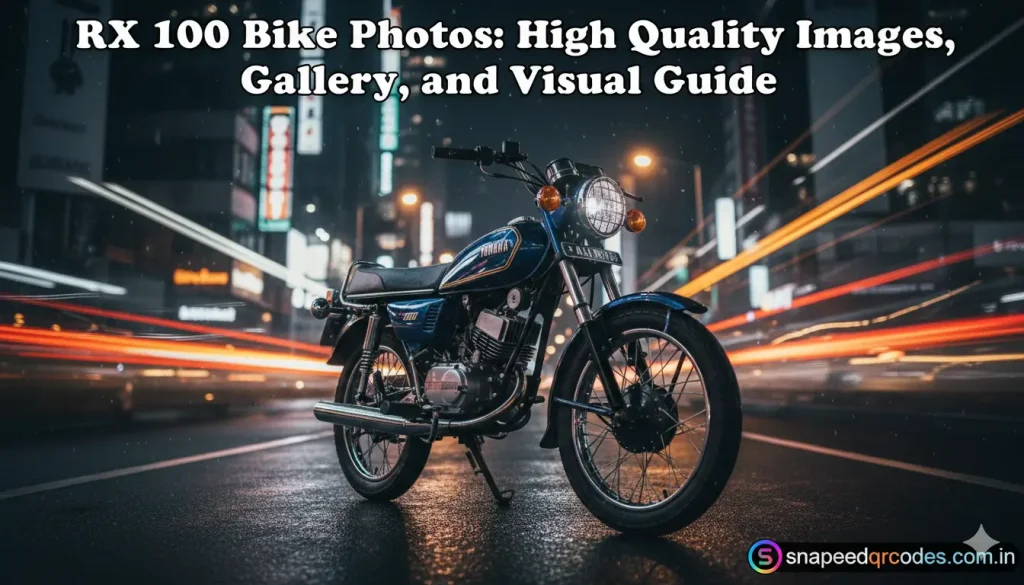
Professional motorcycle photography captures more than just the overall look of a bike. It brings attention to the craftsmanship, proportions, styling, and functional details that give the machine its unique character. High-quality RX 100 Bike Photos can highlight features such as the paint finish, engine parts, casting details, body lines, and other elements that may not be noticeable in regular snapshots.
Well-composed images also allow enthusiasts to view the RX 100 from multiple angles and appreciate its design more closely. Whether for inspiration, restoration, research, or personal interest, detailed photographs offer a clearer and more complete visual look at this iconic motorcycle.
Visual documentation is particularly useful when:
- You are exploring the bike’s design or considering future modifications.
- You need detailed reference images for a restoration project.
- You want to compare different RX 100 models or variants.
- You are looking for inspiration for motorcycle photography or creative projects.
Photography also helps preserve the legacy of classic motorcycles. Even when a model is no longer in production, high-quality images allow enthusiasts to document its design, details, and history, helping keep the spirit of these iconic bikes alive for future generations.
Overview of the Yamaha RX 100 Design
Before exploring the photo galleries, it is useful to understand the key design elements that make the Yamaha RX 100 so recognizable. Its balanced proportions, simple mechanical layout, and clean silhouette give it a timeless character that continues to attract classic motorcycle enthusiasts.
The RX 100 has a compact stance with a slim fuel tank, exposed engine, minimal bodywork, and a practical overall design. The RX 100 Bike Photos showcase these features from different angles, including the round headlamp, simple exhaust, spoke wheels, instrument cluster, comfortable seat, and traditional body finishes.
Some of the most noticeable design elements include:
- A teardrop-shaped fuel tank with bold graphics
- A lightweight steel frame with a simple structure
- A single-cylinder engine with visible cooling fins
- Chrome-plated fenders for a classic appearance
- A narrow and comfortable single-seat setup
These details give the RX 100 its distinctive visual identity. Detailed photographs make it easier to appreciate how Yamaha combined simplicity, functionality, and balanced styling to create a motorcycle that remains popular with collectors, restorers, and classic-bike fans.
Categorizing RX 100 Bike Photo Galleries
When exploring RX 100 Bike Photo Galleries, organizing images into clear categories makes it easier to view the motorcycle from different perspectives. Galleries can include overall design, side profiles, front and rear views, engine details, restored models, and close-up shots of specific components. This organization helps visitors quickly find the images they are looking for.
Different gallery sections can also serve different interests. Motorcycle enthusiasts may prefer styling and riding photos, while collectors and restoration fans can benefit from detailed images of the engine, frame, controls, wheels, and original finishes. A well-arranged gallery provides a complete and engaging visual overview of the Yamaha RX 100.
Full-Bike Angle Galleries
Full-bike galleries present the Yamaha RX 100 from different angles, including front, rear, side, and three-quarter views. These RX 100 Bike Photos help viewers understand the motorcycle’s overall proportions, silhouette, stance, and styling. Different viewpoints also bring attention to details such as the fuel tank, seat, wheels, headlamp, exhaust, and body lines.
These photographs are particularly useful for enthusiasts, collectors, and restoration projects. Comparing various angles provides a clearer idea of how each component works together to create the RX 100’s balanced and recognizable appearance.
Full-bike galleries often include:
- Side profiles showing the overall silhouette and proportions
- Front views highlighting the headlamp and handlebar
- Rear views featuring the taillight, seat, and rear fender
A complete bike photograph can reveal how the individual components complement one another and give the RX 100 its distinctive classic character. design philosophy as a written description.
Close-Up Detail Shots
Close-up photographs focus on individual parts of the Yamaha RX 100, making it easier to examine its textures, materials, finishes, and craftsmanship. These RX 100 Bike Photos can highlight the engine, fuel tank, instrument cluster, controls, wheels, exhaust, badges, and other smaller details that may be difficult to notice in full-bike images.
Detailed shots are especially useful for enthusiasts, collectors, and restoration hobbyists who want a closer look at the motorcycle. They also help viewers appreciate the RX 100’s simple construction and classic finishing details.
Close-up categories include:
- Engine and exhaust details
- Fuel tank graphics and paint finish
- Instrument cluster and handlebar controls
- Wheels, brakes, and suspension components
These RX 100 Bike Photos provide a clearer understanding of the motorcycle’s individual parts while showcasing the details that contribute to its iconic classic character. parts that might otherwise go unnoticed.
Creative and Lifestyle Images
Creative and lifestyle photographs showcase the Yamaha RX 100 in settings that go beyond traditional motorcycle photography. These RX 100 Bike Photos may capture the bike while riding, parked in scenic locations, or photographed using unique angles and lighting. Such images highlight the motorcycle’s classic character while adding variety and visual appeal to the gallery.
These photographs are particularly attractive to riders and enthusiasts who appreciate the nostalgia surrounding the RX 100. By placing the motorcycle in different environments and riding situations, lifestyle photography captures more than its design it also reflects the freedom, excitement, and timeless charm associated with this iconic bike.
Close-Up Image Sections for Detailed Exploration
This section highlights detailed photographs that bring individual parts of the Yamaha RX 100 into sharper focus. These RX 100 Bike Photos showcase important components such as the engine, fuel tank, controls, wheels, exhaust, instrument cluster, and other distinctive details that may be difficult to see in full-bike images.
Close-up photographs are particularly useful for collectors, restoration enthusiasts, and anyone interested in the motorcycle’s construction and classic design. Examining each component separately provides a better view of its materials, finishes, textures, and craftsmanship, helping explain the lasting appeal of the RX 100.
Fuel Tank and Graphics
The fuel tank is one of the most recognizable design features of the Yamaha RX 100. Detailed RX 100 Bike Photos can showcase its slim shape, smooth contours, classic finish, and distinctive graphics, which contribute to the motorcycle’s familiar appearance. Its proportions also complement the bike’s lightweight and well-balanced stance.
Close-up images can reveal smaller details such as badges, decals, paint quality, and surface finishes. These details are especially valuable for collectors and restoration enthusiasts looking to appreciate or recreate the original character of the RX 100.
Close-up photos can highlight:
Badges, decals, and other finishing details
Studying these images helps you understand why this part is visually appealing
Classic Yamaha-inspired paint finishes
Bold lettering and graphics that reinforce the bike’s identity
Smooth tank curves and reflections that emphasize its shape
Engine and Mechanical Close-Ups
Engine and mechanical close-ups offer a detailed view of the components that give the Yamaha RX 100 its distinctive character. These RX 100 Bike Photos can highlight the engine casing, cylinder area, carburetor, cooling fins, exhaust connection, and other visible mechanical parts. Such images help viewers understand the bike’s simple and functional engineering design.
Detailed mechanical photographs are especially useful for collectors and restoration enthusiasts who want to examine component shapes, finishes, mounting points, and overall condition. These close-ups provide a better appreciation of the practical construction and classic mechanical character that continue to make the RX 100 appealing to motorcycle enthusiasts.
The engine is one of the most photographed parts of the RX 100 because of its:
- Compact, air‑cooled build.
- Visible fins for heat dissipation.
- Simple yet tidy assembly.
Photos of the engine provide insight into the bike’s mechanical roots.
Wheels, Tires, and Brakes
The wheels, tires, and braking components play an important role in the Yamaha RX 100’s classic appearance and practical design. Detailed RX 100 Bike Photos can showcase the traditional wheel setup, tire profile, spokes, hubs, brake components, and overall condition of these parts. Close-up views make it easier to appreciate the bike’s simple construction and balanced proportions.
These images are also useful for enthusiasts and restoration hobbyists who want to examine wheel finishes, spoke patterns, tire details, and visible braking hardware. They provide a helpful visual reference while highlighting the practical engineering and timeless styling of the RX 100.
Wheel detail shots can highlight:
- Traditional spoked rim patterns
- Street-oriented tire tread and profile
- Visible brake and hub components
Together, these details offer a clearer visual understanding of the RX 100’s wheel design and overall classic character. visual engineering choices.
Creative and Lifestyle Imagery
While technical photographs focus on the physical details of the Yamaha RX 100, creative images capture the emotion, nostalgia, and personality associated with this iconic motorcycle. Photographers often use scenic backgrounds, artistic compositions, unique angles, and natural lighting to present the RX 100 in a more engaging and story-driven way. These RX 100 Bike Photos showcase not only the machine but also the memories and experiences connected with classic riding.
Lifestyle photography may feature the RX 100 on open roads, in city streets, or against scenic landscapes, creating a stronger connection with motorcycle culture. These images appeal to enthusiasts who admire the bike’s design as well as the sense of freedom, adventure, and nostalgia it represents.
Lifestyle images may include:
- Riders wearing helmets and gear on open roads
- Sunset lighting that emphasizes the bike’s silhouette
- Urban settings that blend classic styling with modern surroundings
The best motorcycle photographs can tell a story without words, capturing the feeling, identity, and spirit of the ride..
Tips for Taking Your Own RX 100 Photos
Taking your own RX 100 Bike Photos can be a fun way to capture the motorcycle’s classic styling and unique character. Choose a clean location with good natural lighting and photograph the bike from different angles, including side, front, rear, and three-quarter views. Keeping the motorcycle clean and using a simple background will also help its key design features stand out.
For close-up shots, focus on details such as the fuel tank, engine, headlamp, wheels, exhaust, controls, and graphics. Try different perspectives while keeping the camera steady and the bike properly framed. Combining full-bike images with detailed close-ups can create a complete gallery that showcases the RX 100 from multiple viewpoints.
Useful tips for creating your own RX 100 Bike Photos gallery:
- Use natural light to bring out colors and details.
- Capture the motorcycle from multiple angles.
- Combine wide shots with close-up photographs.
- Choose a clean, uncluttered background.
- Keep the camera steady for sharper images.
These simple techniques can help you create clear, attractive, and professional-looking photographs of the Yamaha RX 100. that highlight the best aspects of the motorcycle.
Understanding Visual Composition in Motorcycle Photography
Photography is not only about capturing the motorcycle; good composition also helps make an image balanced, clear, and visually appealing. When taking RX 100 Bike Photos, pay attention to the background, lighting, camera angle, framing, and space around the bike. A well-composed photograph can emphasize the RX 100’s clean lines while keeping distractions out of the frame.
Different angles can create different visual effects. A low-angle shot can make the motorcycle appear more powerful, while a side view clearly shows its proportions and silhouette. Close-up images are ideal for individual components, while wider compositions can place the RX 100 in a scenic or lifestyle setting.
Basic Composition Techniques
When capturing RX 100 Bike Photos, a few simple techniques can improve the overall quality of your images:
- Rule of thirds: Position the motorcycle naturally within the frame for a balanced composition.
- Leading lines: Use roads, walls, or other visual lines to guide attention toward important areas such as the fuel tank or engine.
- Depth of field: Keep the motorcycle sharp while softly blurring the background to make key details stand out.
- Proper framing: Leave enough space around the bike and avoid cutting off important parts.
- Camera level: Keep the camera straight to maintain natural proportions, especially in side-profile shots.
By combining these techniques with suitable lighting and angles, you can create more engaging and professional-looking RX 100 Bike Photos.
| Technique | Purpose |
| Rule of Thirds | Places the subject off‑centre to create interest |
| Symmetry | Emphasizes balance and design harmony |
| Contrast | Highlights differences in color and light |
| Depth | Adds dimension by blurring the background |
Understanding these basics improves how your RX 100 Bike Photos communicate visually.
Common Visual Themes in RX 100 Photography
RX 100 photography often follows a range of visual themes that highlight the motorcycle’s classic design, nostalgic appeal, and riding character. Popular themes include vintage styling, road-trip scenes, restoration projects, urban settings, and scenic outdoor locations. These RX 100 Bike Photos can present the motorcycle in different moods while emphasizing its timeless appearance and cultural appeal.
Another common approach is to focus on simplicity and authenticity. Photographers may capture original finishes, mechanical details, classic accessories, or everyday riding moments to preserve the character of the RX 100. Combining technical, lifestyle, and artistic images creates a diverse gallery that allows enthusiasts to appreciate the motorcycle from both practical and emotional perspectives.
As you browse different galleries of RX 100 images, you will notice recurring visual themes:
- Classic vintage aesthetic.
- Focus on simple functionality.
- Emphasis on clean lines and chromed parts.
- Bold color contrast with backgrounds.
When photographers capture the RX 100, they often seek to balance heritage with artistic expression.
How Photo Galleries Enhance Enthusiast Communities
Visual galleries of the Yamaha RX 100 are more than collections of attractive images. They bring together riders, collectors, restorers, and motorcycle enthusiasts who share an appreciation for this iconic bike. RX 100 Bike Photos can encourage discussions about restoration methods, original and modified models, custom designs, and memorable riding experiences, making photography a valuable way to connect like-minded enthusiasts.
Well-organized galleries can also help preserve the visual history of the RX 100. Photographs of original parts, classic finishes, restored bikes, and different design variations can provide useful references for restoration and documentation. Sharing these images within enthusiast communities helps celebrate the motorcycle’s heritage and keep its classic appeal alive.
Enthusiasts often share photos to:
- Showcase carefully restored motorcycles
- Compare original and modified components
- Display custom paint and styling ideas
- Document older or historically significant models
In this way, RX 100 Bike Photos become a shared visual language that connects motorcycle enthusiasts and helps preserve the legacy of this classic machine.
Best Practices for Presenting RX 100 Bike Photos Online
PPresenting RX 100 Bike Photos online effectively requires a good balance of image quality, organization, and easy navigation. Use clear, high-resolution images that show the motorcycle from different angles while avoiding excessive compression that can hide important details. Organize photographs into useful categories such as full-bike views, close-ups, engine details, wheels, and lifestyle shots so visitors can easily find what they need.
Best practices for creating an online photo gallery include:
- Use clear and descriptive captions.
- Add useful details such as location or model year when available.
- Arrange images into logical albums or categories.
- Use relevant tags to improve discoverability.
- Maintain consistent image quality and presentation.
A well-organized gallery makes RX 100 Bike Photos easier to explore, understand, and share with motorcycle enthusiasts.
Visual Storytelling With RX 100 Photos
Good moMotorcycle galleries do more than display individual parts; they can create a visual story around the Yamaha RX 100. A well-planned collection of RX 100 Bike Photos can take viewers from full-bike views to detailed close-ups, highlighting the motorcycle’s design, mechanical features, riding character, and timeless appeal. Arranging images in a natural sequence makes the gallery easier to follow and more engaging.
Visual storytelling can include:
- A sequence showing the bike from a clean setup to an open-road ride
- Before-and-after photographs of a restoration project
- Day-to-night photography that captures different moods and settings
- A mix of wide shots and close-ups to build a complete visual story
These simple narratives can make your gallery more interesting, memorable, and enjoyable for RX 100 enthusiasts.
Reflecting on the Legacy of the RX 100 Through Photos
Photographs play an important role in preserving the legacy of the Yamaha RX 100. RX 100 Bike Photos capture more than its physical appearance; they showcase its distinctive styling, mechanical character, and the nostalgia connected with classic riding. From polished paintwork under natural light to authentic road and street scenes, different photography styles can highlight both the visual beauty and unique personality of this iconic motorcycle.
Frequently Asked Questions
What makes the RX 100 bike photos special?
High-quality images capture the bike’s iconic design, engine details, and overall aesthetic, helping enthusiasts appreciate its legacy.
How many photos should a complete RX 100 gallery include?
A full gallery typically has 15–25 images showing side, front, rear views, close-ups, and creative lifestyle shots.
Can RX 100 photos help with bike restoration?
Yes, clear images provide references for original paint, parts, and assembly details.
Which angles are most important in RX 100 photos?
Side profile, front, rear, engine close-ups, and wheel/tire details are essential for a complete view.
Why are lifestyle photos included in RX 100 galleries?
They show the bike in motion or scenic settings, capturing its emotion and cultural appeal.
Should RX 100 photos be high resolution?
Yes, HD images reveal fine details, textures, and paint quality, enhancing visual clarity.
How can I take professional RX 100 bike photos?
Use natural light, multiple angles, clean backgrounds, and combine wide and close-up shots for the best results.
Where can I find the best RX 100 photo collections?
Top galleries appear on automotive sites, enthusiast blogs, and online bike communities focusing on classic motorcycles.
Conclusion
RX 100 Bike Photos offer more than a visual record of a classic motorcycle; they capture the character, styling, and heritage that have made the Yamaha RX 100 a favorite among enthusiasts. High-quality images can showcase its iconic side profile, engine, fuel tank, wheels, headlamp, and other distinctive design elements.
Full-angle views, close-up shots, and creative lifestyle photography together provide a complete visual experience for riders, collectors, and restoration enthusiasts. These photographs can also serve as useful references for restoration, customization, and documenting classic motorcycle history. By capturing and sharing these visuals, enthusiasts can help preserve the legacy of the RX 100 and ensure its timeless design and mechanical character continue to be appreciated by future generations.