
Welcome to Snapseedqrcodes! Taking a great photograph requires more than simply standing in front of a camera. The right photoshoot pose can add confidence, elegance, personality, and visual appeal to any image. Whether you are a model, content creator, or photography enthusiast, learning basic posing techniques can help you achieve better results. Details like posture, hand placement, body angles, and facial expressions all play an important role.
A successful photoshoot pose combines natural body language, flattering angles, and confident expressions. This guide covers classic and creative poses, couple and group ideas, common mistakes, useful props, and simple tips for creating professional-looking photos in different settings.
“A well-executed pose transforms a simple picture into a compelling story that communicates without words.”
Fundamentals of an Effective Photoshoot Pose
Mastering a photoshoot pose starts with learning the basic principles that make photographs look natural, balanced, and professional. These simple fundamentals can improve your results across different photography styles, from casual pictures to professional photoshoots.
Read Also: delete photo recovery app
Posture and Body Alignment
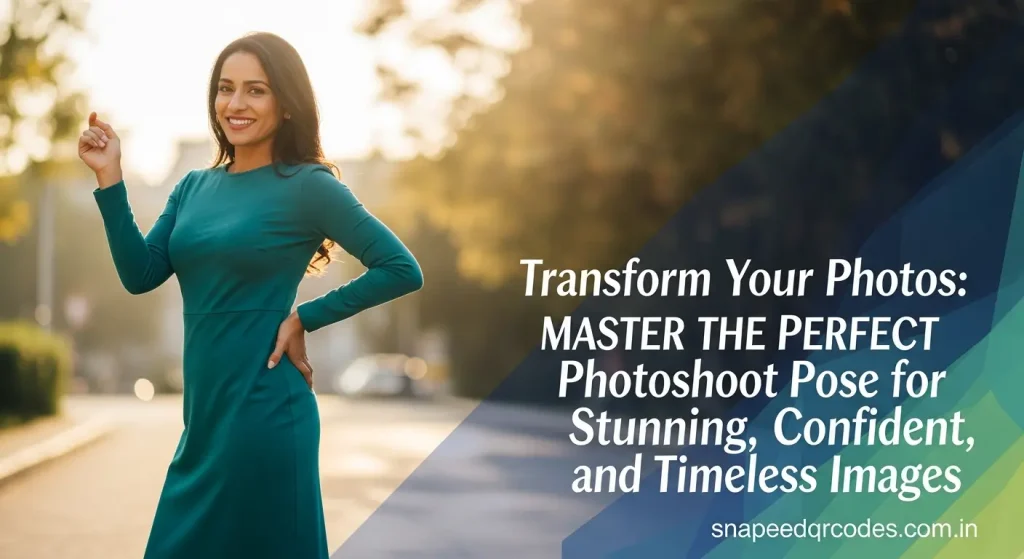
GGood posture is the foundation of an effective photoshoot pose. Standing tall with relaxed shoulders and a naturally extended neck can create a confident and elegant appearance. Proper body alignment also helps avoid slouching, awkward angles, and unnecessary tension.
- Keep your spine straight while staying relaxed.
- Lift your chest slightly to create a balanced silhouette.
- Keep your shoulders relaxed and even for a natural look.
Good posture improves body lines and overall composition, helping you look more confident and polished in photographs.
Body Angles and Orientation
Choosing the right body angle can add depth and visual appeal to a photoshoot pose. Facing the camera completely straight may make an image look flat, while turning the shoulders slightly by around 30–45 degrees creates a more natural and flattering look.
- Shift your weight onto one leg for a relaxed shape.
- Tilt your head slightly to enhance facial features.
- Avoid stiff poses and keep your body comfortable and natural.
Even a small change in angle can add dimension, balance, and sophistication to your photographs.”
Facial Expressions and Emotional Appeal
Facial expressions are essential for conveying personality, emotion, and mood in a photograph. They Facial expressions should complement the body pose and add to the overall impact of the photograph.
- Smile naturally to create a warm and approachable look.
- Try a subtle smirk for a stylish or artistic feel.
- Practice different expressions in a mirror to look more relaxed.
Matching facial expressions with body language helps a photoshoot pose express emotion, personality, and character more effectively.
Classic Poses for Individual Photography
Classic poses offer a reliable foundation for creating professional-looking photographs. They work well across various styles, including fashion, lifestyle, social media, and portrait photography.
Standing Poses
Standing poses are versatile and can create a variety of stylish and natural photographs.
- Forty-Five Degree Pose: Turn your body slightly and place one foot forward to add depth and shape.
- Hand on Hip Pose: Rest one hand on your hip to define the waist and create a balanced silhouette.
- Over-the-Shoulder Glance: Face slightly away while turning your head toward the camera for an elegant look.
- Walking Pose: Take a step toward the camera to add natural movement and energy to the photo.
Seated Poses
Seated poses create a relaxed and approachable appearance while still looking stylish and balanced.
- Legs Crossed Pose: Cross your legs at the ankles or knees for a polished and natural look.
- Slight Forward Lean: Lean gently forward from a chair or bench to create a more engaging and connected feel.
- Natural Hand Placement: Rest your hands on your thighs, knees, or a nearby table to keep the pose comfortable and relaxed.
Facial Expressions in Individual Poses
Facial expressions bring personality to a photoshoot pose and work together with body positioning to create a stronger image.
- Genuine Smile: A natural smile creates a warm and engaging connection.
- Serious or Intense Look: Adds drama, confidence, and an editorial feel.
- Playful Expression: Works well for casual or lifestyle photography, bringing energy and fun.
A seated pose is about more than simply sitting; posture, expression, and body alignment help communicate comfort and personality.
Advanced Techniques for Photoshoot Poses
Advanced posing techniques focus on small adjustments that can make photographs look more polished and professional. Learning these details helps create distinctive, natural, and visually appealing images.
Head and Neck Positioning
Head and neck positioning can significantly influence facial appearance and the overall quality of a photoshoot pose.
- Slight Head Tilt: Creates a softer and more approachable look.
- Lower Chin: Gently lowering the chin can define the jawline and create a more flattering angle.
- Elongated Neck: Keep the neck naturally extended to maintain an elegant posture and avoid visible tension.
Arm and Hand Placement
Proper arm and hand placement adds structure and helps create a natural, relaxed photoshoot pose.
- Keep your arms slightly away from your body to add depth.
- Rest your hands on props, furniture, or clothing for a natural position.
- Keep your fingers relaxed to avoid tension and awkward poses.
Leg and Foot Techniques
Leg and foot placement can improve balance, proportions, and overall elegance in a photoshoot pose.
- Place one foot slightly forward to create a longer leg line.
- Bend the knee gently for a more natural shape.
- In seated poses, cross your legs or keep your feet together for a polished appearance.
Small adjustments to the hands, legs, and face can turn a simple pose into a more professional and visually appealing photograph.
Posing Techniques for Couples and Groups
Photographing multiple people requires careful coordination and thoughtful positioning. Effective group poses focus on natural interaction, balanced composition, and comfortable body language among all subjects.
Height Variation and Positioning
- Use furniture, steps, or different heights to create visual depth and layers.
- Avoid placing everyone in a straight line, as it can make the image look flat.
- Give each person a slightly different pose to showcase their individual personality.
Interaction and Connection
- Encourage natural gestures such as holding hands, gentle touches, or shared laughter.
- Arrange subjects so their body language feels connected and balanced.
- Capture candid moments to create authentic and emotional photographs.
Layering and Composition
- Arrange subjects at different levels or positions to add depth and visual interest.
- Use elements like walls, windows, or trees to create natural framing.
- Maintain balance and symmetry while keeping the composition relaxed.
Natural interaction combined with thoughtful positioning can make couple and group photographs more engaging and authentic.
Posing Strategies for Different Photography Genres
Every photography style requires different posing techniques that match its mood, purpose, and overall visual aesthetic. Choosing the right pose helps create images that feel natural, appropriate, and visually appealing.
Fashion Photography Poses
Fashion photography focuses on highlighting clothing, accessories, and overall style.
- Create long body lines and confident angles to enhance the outfit.
- Keep movements controlled so the clothing remains the main focus.
- Try asymmetrical poses to achieve a creative and editorial appearance.
Lifestyle Photography Poses
Lifestyle photography focuses on capturing natural and relatable moments.
- Include everyday gestures, movements, and activities.
- Interact naturally with props and the surrounding environment.
- Focus on storytelling rather than stiff poses to create authentic and engaging images.
Editorial and Artistic Photography Poses
Editorial and artistic photography focuses on expressing emotions, stories, and creative concepts.
- Add dynamic movements such as twirls, turns, or jumps.
- Experiment with unique angles and perspectives for a creative effect.
- Match facial expressions and body language with the desired mood or story.
Common Mistakes to Avoid in Photoshoot Poses
Even experienced individuals and photographers make errors that reduce the quality of a photograph. Being aware of common posing mistakes can help create more natural and professional photographs.
- Stiffness: Avoid rigid or uncomfortable body positions.
- Too Much Complexity: Excessive gestures can distract from the main subject.
- Ignoring Facial Expression: Without emotion, a pose may look dull or lifeless.
- Poor Hand Placement: Keep hands and fingers relaxed to avoid visible tension.
- Neglecting the Background: Make sure props and surroundings support rather than distract from the subject.
Small changes in posture, hand placement, and expression can turn an ordinary photograph into a more engaging visual story.
Utilizing Props and Environment in Photoshoot Poses
Props and environmental elements can add creativity, depth, and visual interest to a photoshoot pose.
- Furniture: Use chairs, benches, or tables for natural seated and leaning poses.
- Accessories: Hats, scarves, and handbags can add style and movement.
- Architecture: Doors, windows, and railings can create natural framing and leading lines.
- Nature: Trees, flowers, and water can add texture, depth, and attractive backgrounds.
Using props and surroundings thoughtfully can improve composition and inspire more creative posing ideas.
Practical Tips for Photographers and Models
- Practice in Front of a Mirror: Learn your most flattering angles and movements.
- Clear Communication: Ensure alignment between photographer and subject.
- Continuous Feedback: Capture test shots and adjust poses as needed.
- Maintain Comfort: Avoid poses that are uncomfortable or cause tension.
- Creative Experimentation: Explore unconventional angles or gestures to achieve originality.
“Preparation, communication, and experimentation are essential to mastering a perfect photoshoot pose.”
Recommended Poses by Situation
| Situation | Recommended Poses | Notes |
| Individual fashion shoot | Forty-five degree pose, hand on hip, over-the-shoulder glance | Emphasize body lines and garment presentation |
| Casual lifestyle photo | Seated cross-legged, walking motion, playful gestures | Focus on natural, relatable expressions |
| Couples photography | Holding hands, leaning together, varied heights | Capture authentic connection and interaction |
| Group photography | Layered arrangement, distinct poses, natural gestures | Avoid flat lines; maintain individual focus |
| Editorial or artistic shoot | Twirls, jumps, creative angles, imaginative props | Convey emotion, narrative, and visual interest |
Frequently Asked Questions (FAQs) About Photoshoot Pose
What is a photoshoot pose?
A photoshoot pose is the specific position or posture that a person takes in front of the camera to create visually appealing, professional, or creative photographs. It involves the coordination of body alignment, facial expressions, hand and leg placement, and overall posture.
How can I improve my photo shoot poses?
Improvement comes from practice, awareness of your body angles, posture, and facial expressions. Use mirrors, take test shots, and experiment with different angles, hand positions, and movements. Understanding lighting and camera angles also enhances poses.
What are the most flattering poses for individuals?
Flattering poses include the forty-five degree angle pose, hand on hip, over-the-shoulder glance, walking motion pose, and seated poses with crossed legs or leaning slightly forward. These poses elongate the body, create depth, and look natural.
How do I pose naturally for a photoshoot?
Relax your body, avoid stiff positions, and practice natural expressions. Engage in small movements, shift your weight, and interact with props or surroundings to make poses appear effortless and authentic.
Are there special poses for couples and groups?
Yes, couples and groups benefit from varied heights, natural interaction, and layered arrangements. Encourage gestures like holding hands, laughing together, or gentle touches while maintaining individual focus and balance.
What mistakes should I avoid in photoshoot poses?
Common mistakes include stiffness, improper hand placement, forced expressions, ignoring body angles, and neglecting the background or props. Awareness and practice help to prevent these errors.
Conclusion
Creating the perfect photoshoot pose requires a balance of technique, creativity, and confident body language. Good posture, flattering angles, facial expressions, and proper hand, leg, and foot placement all help create attractive and natural photographs. Classic poses provide a strong foundation, while advanced techniques can add depth, elegance, and personality to the final image.
For couples and groups, natural interaction, thoughtful positioning, and environmental elements help create balanced and authentic compositions. With regular practice and experimentation with different poses, angles, gestures, and props, anyone can improve their photography skills and create professional-looking images that express emotion, confidence, and individuality.